A good while back I did up a League of Ireland International XI elsewhere on this blog. It seemed to go down well and provoked a little bit of discussion. My previous version featured those players who had been capped by other nations and had featured in league football in Ireland, it included the likes of George Best, Bobby Charlton, Uwe Seeler and of course Avery John. That post deliberately excluded Irish internationals but I’d like to redress this by compiling my Irish International League of Ireland XI. My criteria are that all players included have to have been capped for Ireland while playing for a club in the League of Ireland. I’ve focused on players from the immediate years after the split with the IFA right up to the modern day. I’ve tried to represent various different eras basing much on pieces of research and reportage and the input of various older football fans. As always this is just a personal selection of players I like or that interest me so this will obviously reflect my own bias and interest but hopefully might create a bit of discussion, hence the sizeable bench! Anyway in goal I’ve gone for….
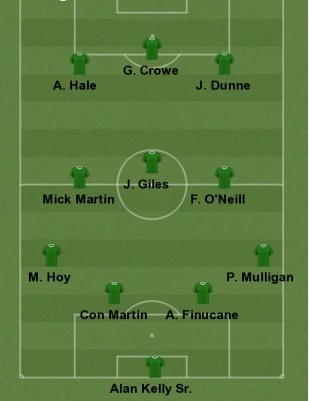
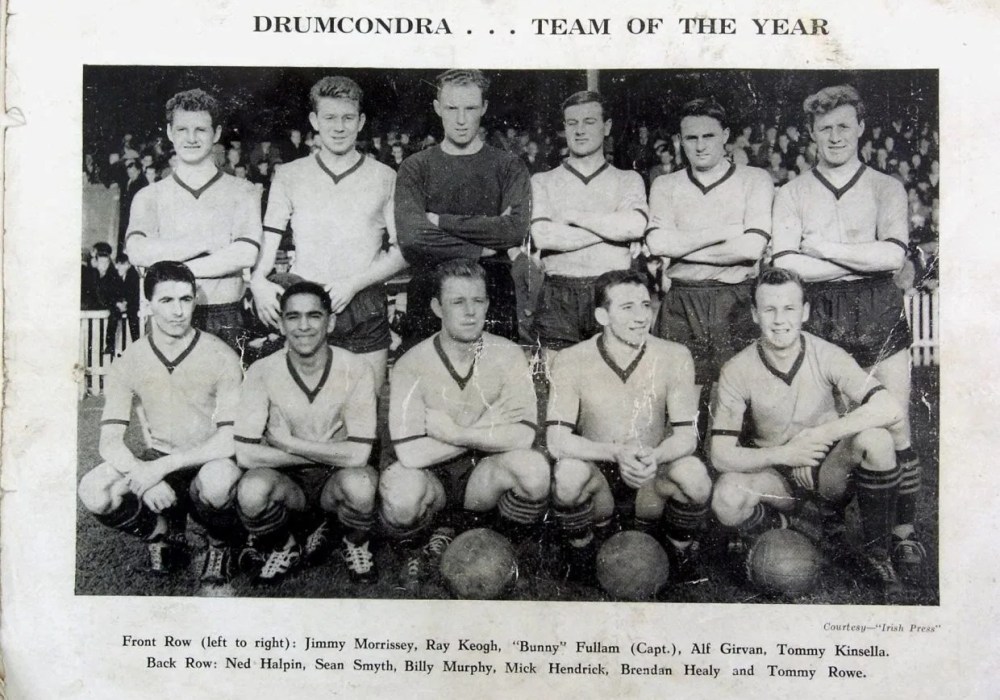
Goalkeeper – Alan Kelly Sr. (Drumcondra, 47 caps): A man with a strong claim to be one 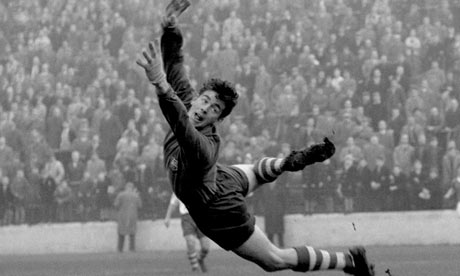 of Ireland’s greatest ever keepers and a founder of somewhat of an Irish goalkeeping dynasty. (Not the only one mind, hello to the Hendersons) Alan Kelly Sr. was a FAI Cup winner and a League champion with Drumcondra during their 1950’s heyday when he made his debut for the Republic of Ireland as they defeated World Champions Germany 3-0 in Dalymount Park. Before long a move to Preston North End beckoned and he spent 14 years as a player at Deepdale making a club record 513 appearances, including an impressive performance in the 1964 FA Cup final where the unfancied Preston were deafeated 3-2 by the West Ham of Bobby Moore and Geoff Hurst. Such was his importance at Preston that in 2001 a redeveloped stand was named after him. Kelly would later manager Preston and would assist John Giles during his managerial reign as well as being caretaker manager for Ireland during a 2-0 win over Switzerland.
Right-back – Paddy Mulligan (Shamrock Rovers, 50 caps, 1 goal): Paddy was already a four-time FAI cup winner and an Irish international by the time he left Shamrock Rovers to head to West London and the glamorous surroundings of one of Chelsea’s pre-Abramovich high-points. While at Chelsea he tasted European glory as Chelsea beat the 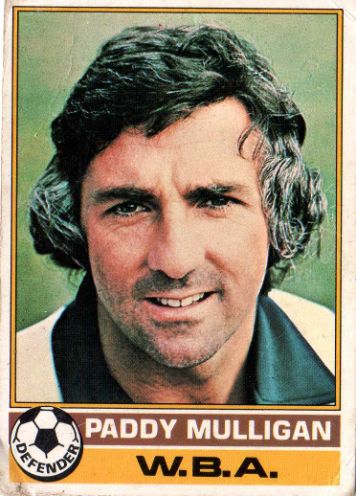 might of Real Madrid 3-2 on aggregate in the Cup Winners Cup final before moving onto Crystal Palace and later West Bromwich Albion, managed at the time by his international team-mate Johnny Giles. While Paddy finished his career with a very respectable 50 caps he didn’t have the easiest start to his international career, he was a part-timer with Shamrock Rovers while also holding down a job with the Irish National Insurance Company when he was called up to the Irish squad in 1966, his employers weren’t too happy about his decision to travel with the squad to face Austria and Belgium and he was issued with an official warning by the company directors!
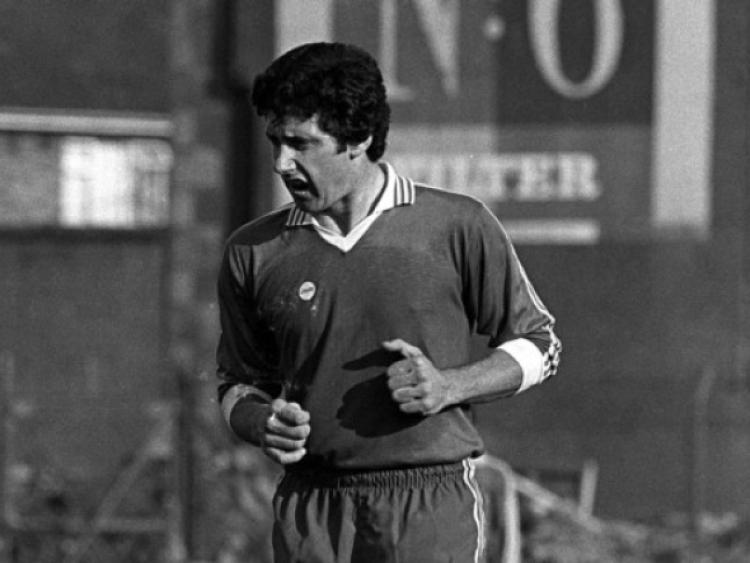
Centre Back – Al Finucane (Limerick, 11 caps): An elegant, ball playing centre-half Al Finucane won all of his 11 international caps while on the books of his home-town club Limerick. However his time in the green of his country coincided with a dreadful run of results and his international record reads played 11, won 0, drew 1, lost 10. There was to far most success on the domestic front where he captained Limerick to two FAI Cups (1971 & 1982 when he was 39!) as well as lifting the famous old trophy with Waterford in 1980. Only the second player to achieve this after Johnny Fullam who captained both Shamrock Rovers and Bohemians to victory. Finucane’s longevity was astonishing and along the way he picked up a number of records in his 28 year League of Ireland career including the record number of appearances by any player in the league and also becoming the oldest player ever to play in a UEFA competition. At the age of 43 years 261 days he lined out for Waterford United against Bordeaux in the Cup Winners Cup, breaking a record previously held by Dino Zoff. His final game was at the age of 45 for Newcastlewest.
Centre Back – Con Martin (Drumcondra, 30 caps, 6 goals): Con Martin made his first two international appearances as a Drumcondra player and in somewhat unexpected circumstances as a goalkeeper. His first appearance came as a substitute away to Portugal. 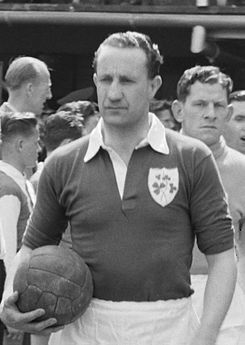 With Ireland trailing 3-0, thanks in no small part to the prolific Sporting striker Fernando Peyroteo, the Irish keeper Ned Courtney is forced to go off injured. Courtney kept goal for Cork United and was an officer in the Irish Army, he had also won a Munster title in Gaelic Football with Cork. Brought on in his place was Con Martin, who at the time was in the Irish Air Corps and had also won a provincial GAA football title, with Dublin in 1941, he kept a clean sheet for the remainder of the game and started in goal in the next match, a 1-0 victory over Spain. Martin was a hugely versatile player, he lined out as a centre half for Drumcondra he played almost an entire season in goal later in his career for Aston Villa and also regularly played as a half back or at inside forward. He was a regular penalty taker for Ireland and it was Con Martin who opened the scoring in the ground-breaking 2-0 win over England at Goodison Park.
Left Back – Mick Hoy (Dundalk, 6 caps): While the selection of the likes of James McClean and Marc Wilson has generated some ire with those in the IFA they are certainly not the first men born north of the border to play for an FAI selection. Mick was born in Tandragee, Co. Armagh and began his career at Glenavon before moving south to Dundalk in 1937 the same year he made his international debut in a 3-2 defeat to Nroway. He started that game alongside his fellow Dundalk team-mate Joey Donnelly. Mick won five further caps and his debut was to be the only game where he finished on the losing side. His final match for Ireland was the 1-1 draw away to Germany in 1939, the nation’s final international fixture before the outbreak of War.
Midfield – John Giles (Shamrock Rovers, 59 caps, 5 goals): To celebrate its 50th anniversary in 2004 UEFA asked each of its member associations to select their greatest player of the preceding 50 years. The FAI selected Johnny Giles. While there will always be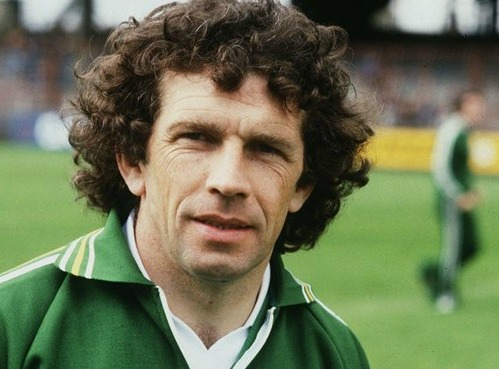
differences of opinion regarding the selection of any one player over another there would be a general consensus that Giles was worthy of the accolade. He was a FA Cup winner with Man Utd in 1963 before moving to Leeds where he won two league titles, another FA Cup, a League Cup and two Inter-City Fairs Cups and played in the final of the 1975 European Cup where Leeds finished runners-up to Bayern Munich. Only two years after playing in that final Giles was lining out as player-manager for Shamrock Rovers in the League of Ireland where he was attempting to make Rovers not only a force in Ireland but also in Europe with the introduction of a full-time, professional ethos, the “Milltown project” as it was dubbed by some. While this approach did yield an FAI Cup in 1978 it yielded little else in terms of silverware. During this time however Giles was a very busy man. As well as being player-manager at Rovers he was also the national team player-manager and also spent a summer in 1978 playing in the NASL for Philadelphia Fury! During this time he continued to add to his caps total, his final game coming in 1979 at the age of 38.
Midfield – Frank O’Neill (Shamrock Rovers, 20 caps, 1 goal): Frank O’Neill is the most capped League of Ireland player in history with a total of 20 to his name. All of these came during his time at Shamrock Rovers.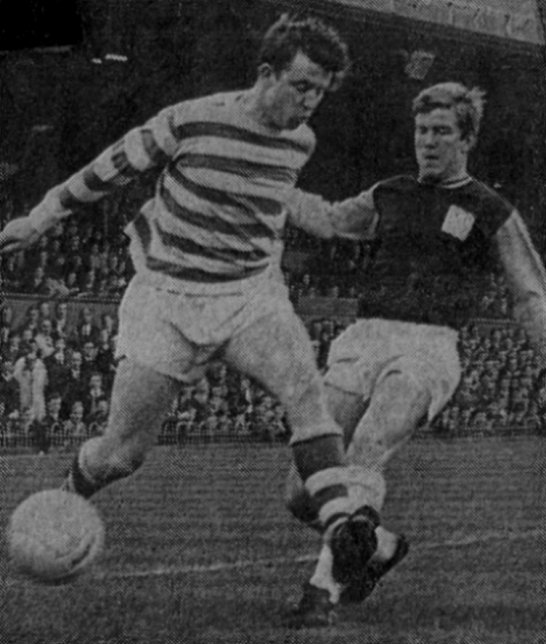 Despite treading the well-worn path going from Home Farm schoolboy to England, joining Arsenal aged just 18 it was as one the classiest players in Rovers’ “Cup Kings” sides that he made his name. After only two league appearances for the Gunners, O’Neill, then aged 21 joined Rovers on their Summer 1961 tour of North American where they took part in the grandly titled Bill Cox International Soccer League against the likes of Dukla Prague, Red Star Belgrade and Monaco. O’Neill impressed grabbing six goals in seven games after which he was signed for £3,000. O’Neill would make over 300 appearances for Rovers, winning a league title as well as six consectutive FAI Cups, mostly playing on the right wing. His international career coincided with a downturn in the national team’s fortunes though there were highlights including the scoring of his only international goal against Turkey in a 2-1 victory.
Midfield – Mick Martin (Bohemian FC, 51 caps, 4 goals): The second member of the prolific Martin football family in our team, Mick, son of Con began his career at Dalymount Park with Bohemians. His early international career didn’t get off to a great start as he was selected by new manager Liam Touhy for his début in a 6-0 defeat to Austria. The Irish 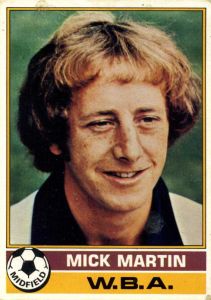 team that day was comprised of League of Ireland players as the match had been scheduled just a day after a full English league fixture programme. He also made a number of appearances at the Brazil Independence Cup while still of Bohs player, scoring in a 3-2 win over Ecuador. Better was to come for Martin, he got to mark Pelé as part of a Bohs/Drumcondra select that took on Santos and shortly afterwards secured a move to Manchester United and later joining Johnny Giles at West Brom. In his club career he is probably most associated with Newcastle United, who he joined for £100,000 in 1978. He was hugely popular with the St. James’s Park faithful who dubbed him “Zico” and he got to play alongside the likes of Kevin Keegan and a young Chris Waddle during his time there.
Forward – Jimmy Dunne (Shamrock Rovers, 15 caps, 13 goals): Jimmy Dunne began and ended his playing career at Shamrock Rovers. In his first spell at the club the Ringsend native didn’t manage to get much playing time due to the dominance of Rovers’ “Four Fs” forward line of “Juicy” Farrell, Jack “Kruger” Fagan, Bob Fullam and John Joe Flood though when he did get a look in he usually scored. 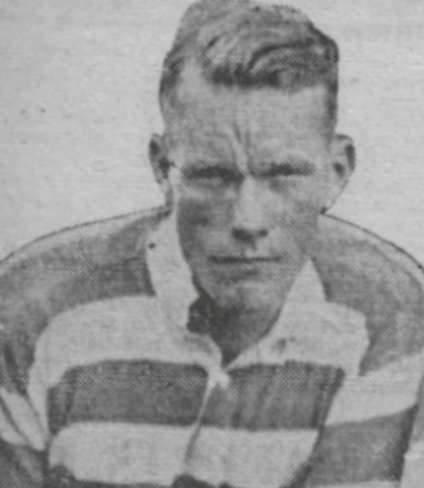 A move to New Brighton (a now defunct club on Merseyside) in the old Third Division North followed, as did the goals. He joined First Division Sheffield United in 1926 though he had to bide his time before getting a prolonged run in the first team. However he exploded into life in the 1929-30 season scoring 42 goals in 43 games and winning his first cap for Ireland (he scored twice in a 3-1 win over Belgium) that year as well. Dunne however wouldn’t be released by United for further fixtures (though he was allowed to play 7 times for the IFA selection) during his prolific scoring exploits over the next few years and he wouldn’t win a second cap until 1936 when he was playing for Arsenal by which stage he had fallen down the pecking order at Highbury due to the arrival of Ted Drake. A season at Southampton followed before Jimmy or “Snowy” as he was known to some returned to Dublin and to Shamrock Rovers in 1937 at the age of 32. It was while on the books of Rovers that Dunne would win nine of his 15 caps and score five of his international goals. Dunne still has by far the best scoring ratio for Ireland of any player who has scored 10+ goals at 0.87 goals per game and one wonders what his stats would have been like had he been made available to play for Ireland during his peak years at Sheffield United.
Forward – Glen Crowe (Bohemian FC, 2 caps): The best striker that I’ve personally  witnessed in the League of Ireland and the most recent player to feature on this list. Crowe during the years of his peak was unplayable for opposing defences, he had strength, aerial ability and a cracking shot. He’s Bohs record league goalscorer, FAI Cup scorer and European scorer and was the League’s top scorer three years running. He’s also won 5 league titles (4 with Bohs, 1 with Shels) and two FAI Cups. At international level he featured against Greece under care-taker manager Don Givens and then again early in the reign of Brian Kerr in a cameo appearance against Norway.
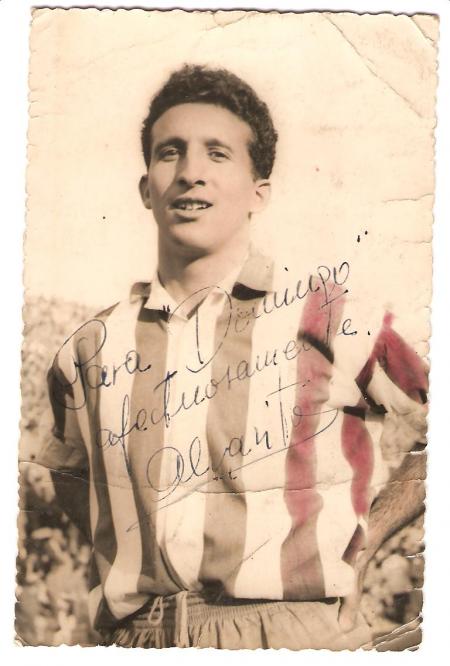
Forward – Alfie Hale (Waterford, 14 caps, 2 goals): The Hale’s are one of the great football families in Waterford, a 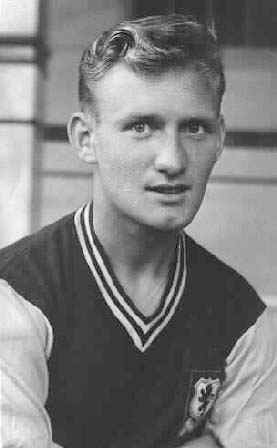 place that has given us plenty of them, including the Coads, the Fitzgeralds and the Hunts. Alfie’s father (Alfie Snr.) had been part of the first Waterford side to compete at League of Ireland level and at one stage formed an entire half back line for the club along with his brothers Tom and John in the 1930’s. Alfie Jnr. was born in 1939 and began his career with his hometown club before a somewhat peripatetic existence brought him to Aston Villa, where he would win his first international cap against Austria, and later to Doncaster Rovers where he would spend the majority of his stay in Britain. After seven years away Hale returned to Waterford where he was joined by Johnny Matthews and a little later by keeper Peter Thomas as part of a team that would dominate the League of Ireland, bringing five titles to the south coast between 1967 and 1973. Alfie’s final game for Ireland was as a Waterford United player in 1973 at the age of 34 when he came on to replace Don Givens in a 1-0 victory over a Polish side that had just finished ahead of England in World Cup qualifying.
Subs: Peter Thomas (Waterford) Tommy McConville (Dundalk & Waterford) Johnny Fullam (Shamrock Rovers) Willie Browne (Bohemians) Shay Brennan (Waterford), Peter Farrell (Shamrock Rovers), Tommy Eglinton (Shamrock Rovers) Joe O’Reilly (Brideville, St. James Gate) Paddy Coad (Shamrock Rovers) Paddy Moore (Shamrock Rovers) Pat Byrne (Shamrock Rovers) Paddy Bradshaw (St. James Gate) Jason Byrne (Shelbourne)
*a note on the layout, I’ve listed players’ Irish clubs when they received their international caps only but have listed their total number of caps won at all of their clubs.



 A Bohemian Sporting Life