And Puskás makes 6 – the Dalymount 5-a-side tournament
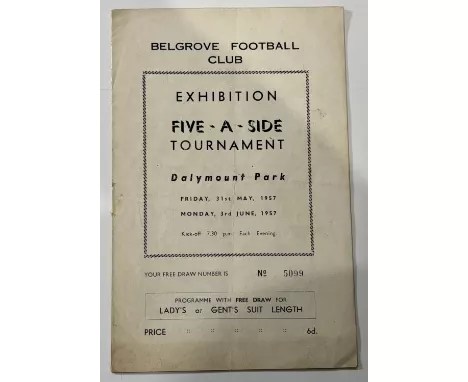
In May 1957 Belgrove F.C. of Clontarf won the Junior Cup beating Virginians in the final. No mean achievement. Three weeks later they would organise a tournament featuring the cream of British and Irish footballing talent, playing in Dalymount Park over the course of a summer weekend, they’d even try to tempt one of history’s greatest players to Dublin to take part while he was experiencing a period of exile from the game.
This is the story of how Belgrove organised a 5-a-side tournament, taking over Dalymount at the beginning of June 1957, as a fundraiser for their ambitious Junior club, but also gives an insight into football at the time, with little TV coverage it gave the Dublin public a chance to see the stars of Manchester United, Manchester City, Sunderland and Preston North End compete in Dublin in the fun and free scoring format of 5-a-side matches. Football fans were treated to the skills of Tom Finney, Don Revie, Bert Trautmann, as well as the talents of local lad Liam Whelan.
It also gives an insight into the financial realities of even some of the game’s star players when the fundraising prowess of a Dublin Junior club could tempt over such players for a tournament of this nature, Tom Finney famously worked as a plumber in the off-season when his club wages would decrease. For context the maximum permitted wage in English football was £17 a week, a good wage at the time, considering that £12 was considered the higher end estimation for the average wage for a working man, but certainly not enough to retire on when a players career came towards its close.
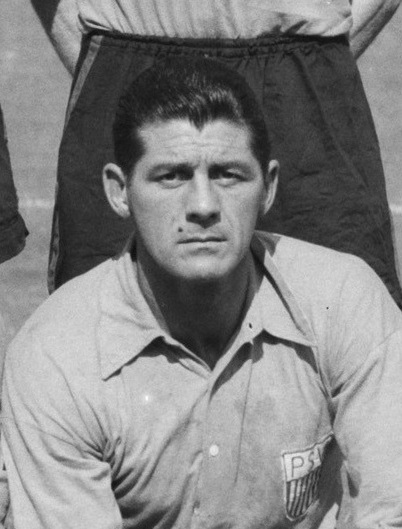
Another player approached was Hungarian football great Ferenc Puskás. The star forward of Hungary’s golden era, who had led them to gold at the 1952 Olympics and to second place at the 1954 World Cup was out of competitive football and living in Austria at the time. Puskás had been out of the country playing for his club Honvéd against Athletic Bilbao in the European Cup when the 1956 Hungarian Uprising took place.
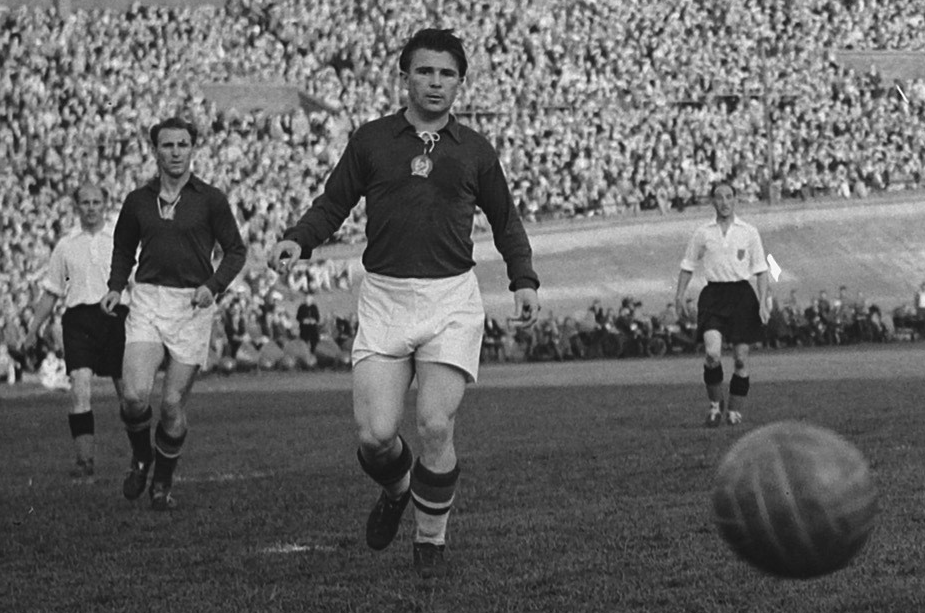
Puskás would later refuse to return to Hungary, knowing that he would face a ban, having travelled with his teammates on a lucrative tour to South America. After the uprising had been quelled and some significant lobbying by the Hungarian FA he ended up being banned from football for a year by UEFA. He would later sign for Real Madrid in 1958, win five La Liga titles and three European Cups but during the summer of 1957 he was living in Austria with his family, seeing out his ban and trying to arrange a future life in football. It was under this very specific set of circumstances it did seem vaguely plausible that Belgrove might be able to convince him to appear in Dalymount.
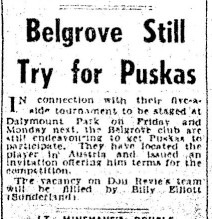
It was reported that an invitiation was extended to Puskás and terms were offered but no reply was recieved. Had Puskás agreed to appear it was reported that one of the local Irish players had agreed to give way to the “Hungarian wizard” but it wasn’t to be.
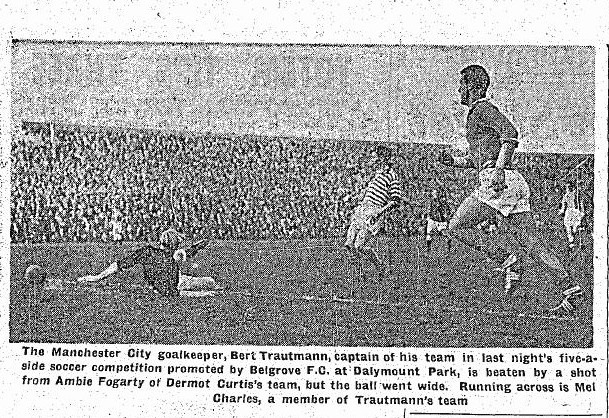
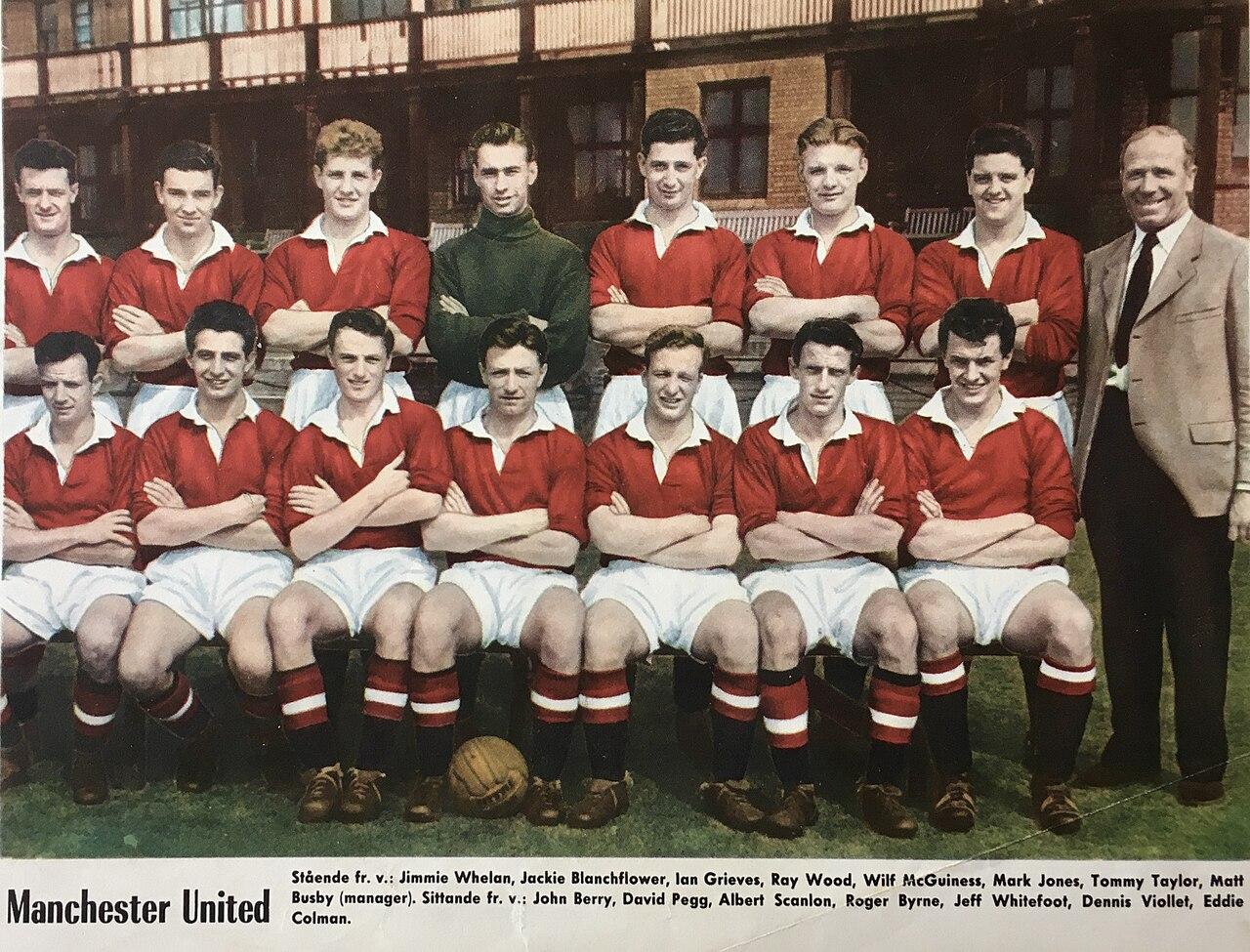
There were to be eight teams competing in total in the tournament. While some of the selected fives were clearly linked to clubs they couldn’t trade on their club’s names so each side was given a player’s selection name. Local lad Liam Whelan, who was born in Cabra and grew up on St. Attracta Road, just across the bridge that now bears his name, from Dalymount Park, had a selection and unsurprisingly chose his Manchester United teammates, including Denis Viollet, Albert Scanlon, Ray Wood in goal and Jeff Whitefoot. Bert Trautmann, Manchester City’s famous German goalkeeper who had gone from Nazi paratrooper, to POW to Footballer of the Year was another titular selector, among his teammates was City’s Irish international Fionan Fagan, better known as “Paddy” Fagan during his time in England. Fagan was the son of former Shamrock Rovers player John “Kruger” Fagan and they would become the first father and son duo capped at senior level by the FAI. Helping to round out the Trautmann selection were Swansea duo Mel Charles and Len Allchurch, both Welsh internationals but both probably overshadowed by their more famous footballing siblings, John Charles and Ivor Allchurch.
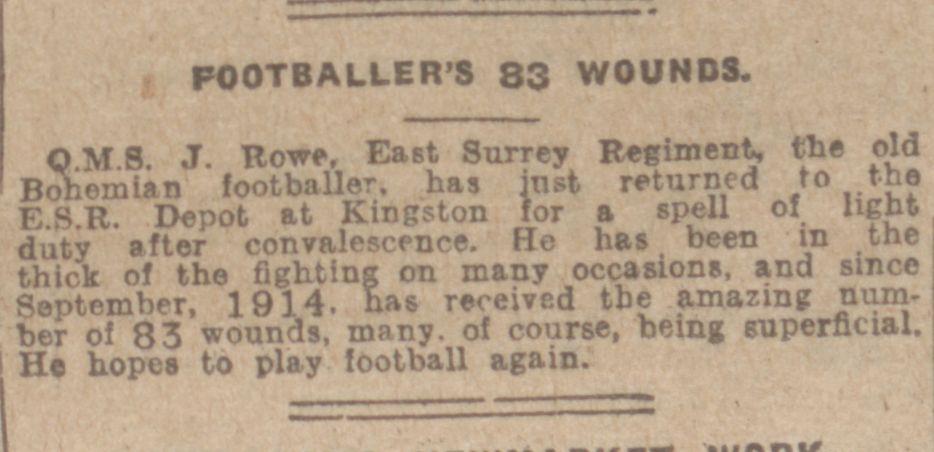
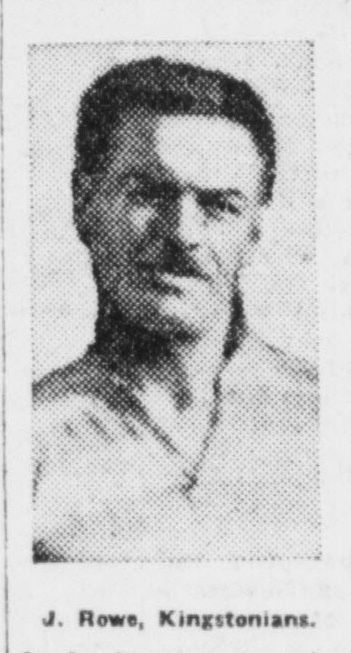
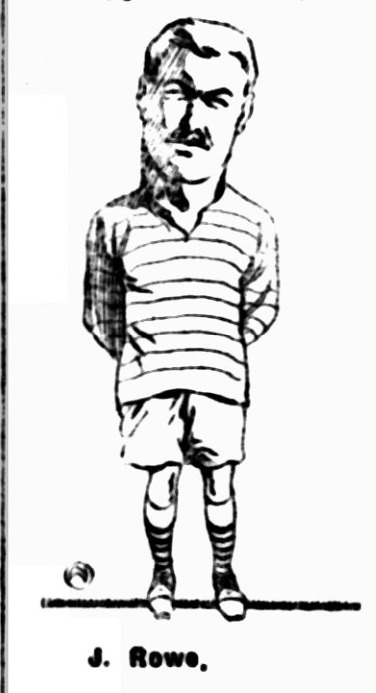
There were two domestic based selections under the names of Tommy Rowe and Paddy Ambrose which were made up of players from Drumcondra FC and Shamrock Rovers respectively. Drums had won the FAI Cup that season, while Rovers were the League of Ireland champions. The rest of the eight were made up of selections from Tommy Docherty, who included his Preston teammates Tom Finney and Frank O’Farrell, Don Revie, whose selection was more reliant on Sunderland and included future Northern Ireland manager Billy Bingham. The tournament was rounded out by selections from Arsenal winger and Irish international Joe Haverty and Aston Villa’s Peter McParland, although McParland failed to turn up and his selection fell under Irish interntional Dermot Curtis.
McParland’s absence meant that he didn’t get a chance to immediately renew acquiantance with Ray Wood the Manchester United goalkeeper. Just weeks earlier in the FA Cup final McParland had shoulder charged Wood in the early minutes of the final, breaking his jaw and knocking him unconscious. Wood would return to the field after treatment, but in a time before substitutions he played most of the rest of the final out on the wing with Jackie Blanchflower going into goal. Aston Villa would win the final thanks to two goals by McParland, which denied Manchester United the League and Cup double.
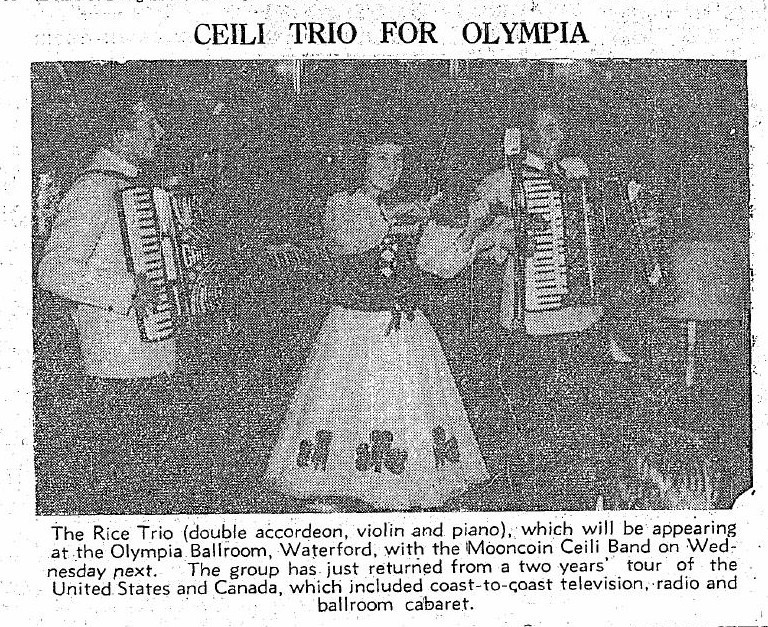
The opening round of matches for this novel venture drew significant crowds, with 17,000 fans turning up to witness the games. This was despite the fact that star name Tom Finney was not involved in the opening games and would only take part in the latter stages. His place in Tommy Docherty’s selection would go to a young Bohemians player, Michael “Sonny” Rice who impressed in his opening match, scoring a goal in the opening fixture against Tommy Rowe’s Drumcondra five. Rice had broken into the Bohemians first team the previous season and generally played as a right-half, despite being a talented player his appearances for Bohemians (who were still an amateur club at the time) were limited due to his hectic touring schedule with “The Rice Trio” an Irish traditional music group who toured widely, including international tours to Canada and the USA. Rice would join Shamrock Rovers in the 1959-60 season. It was noted in the match programme for the tournament that if any player advertised could not attend then their place would be take by an amateur player would not receive any share of the prize money, so Rice didn’t get a grain for his exertions.
The opening round of fixtures had brought good crowds, even if some of the headline stars had failed to appear. The games themselves were played on a reduced area of the Dalymount pitch and consisted of two halves of ten minutes each with no off-side rule. If the game ended level the team with the fewest corners conceded would progress, however if the teams were level on corners then additional halves of five minutes would be played. The stated investment by Belgrove was £1,500 “between prize money and expenses… in the hope of making a big profit in the praiseworthy development of their own ground.”
The two domestic selections lead by Tommy Rowe of Drumcondra and Paddy Ambrose of Shamrock Rovers were among the first eliminated. Also, knocked-out were Joe Haverty’s five which featured Irish internationals like Peter Farrell, Arthur Fitzsimons and goalie Tommy Godwin as well as Dermot Curtis’s selection. Curtis had made his name as a striker for Shelbourne but at the time of the tournament was playing for Bristol City, included in his side were fellow Irish internationals Seamus Dunne and former Bohemian, Amby Fogarty.
Though to the semi finals were the selections of Liam Whelan, Bert Trautmann, Don Revie and Tommy Docherty, with the semis, the final, as well as a “best losers” final all to be played on the Bank Holiday Monday of June 3rd. Tom Finney was good to his word and travelled to Dublin to take part, although despite his presence attendance was down to around nine thousand, which reporters blamed, in part, on forecasted heavy rain that never materialised.
The crowd present on the day were treated to plenty of close games and entertainment. The first of the semi-finals was between Liam Whelan’s Manchester United five and Tommy Docherty’s Preston five. United had won the first division just weeks earlier, while a very strong Preston side had finished third, this led to a tight match with corners deciding the tie after the sides finished level at 4-4 with Whelan’s selection progressing. It’s worth noting that Whelan’s five played with a conventional goalkeeper, Manchester United’s Ray Wood, whereas Preston seem to have had Scottish full-back Willie Cunningham in goal, although given the nature of five-a-side games no doubt both Cunningham and Wood were more involved in ball-playing than keepers in the era would traditionally have been in an eleven-a-side game.
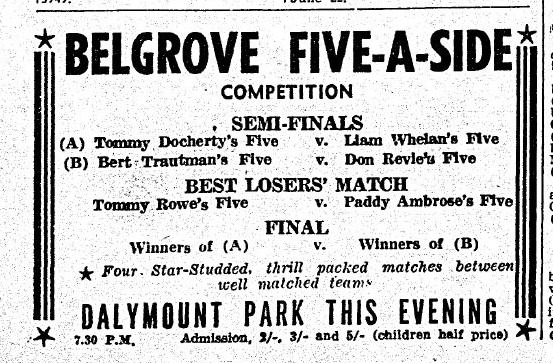
The other semi-final was decided in more decisive fashion, Bert Tratmann’s selection defeating Don Revie’s charges 5-1, a game that the Revie selection never looked like winning, Len Allchurch and Mel Charles won praise from the crowd but the biggest cheer was reserved for Trautmann for a spectacular save from Barnes. This led to something of a Manchester affair in the final, between the selections representing Manchester City (with a couple of Swansea players) and the Manchester United five. It was to be a tight game and once again it took the corner kick tally to decide the victor after another 4-4 draw. Trautmann’s side were declared champions by virtue of winning four corner kicks to Whelan’s three. In the best losers game, Paddy Ambrose’s side defeated Tommy Rowe’s 2-0 thanks to goals by Ronnie Nolan and Ambrose, though the home based players were said to “look slow” by comparison with their British based counterparts.
If the attendance estimates are roughly correct – 17,000 for the opening matches and 9,000 for the finals games, and even taking the lowest average price of two shillings at ticket, this would still have returned £2,500 for Belgrove, meaning at least a £1,000 profit on their investment in expenses and prize money. It is not clear what the final prize money was for each player, it seems like an individual offer was made to Puskás to compete, and clearly his travel expenses from Austria would be much higher than players who could get a boat from Liverpool or Holyhead, but it is not clear if big name attractions like Finney, or those players listed as selectors like Liam Whelan or Bert Trautmann received more based on their fame or role in recruiting other players. Even making a conservative estimate and assuming an even split between the 40 players who competed, and allowing perhaps £500 for expenses, this would work out at roughly £25 per player, during the off season, when the maximum wage in England was £17, certainly an attractive prospect just for playing some five-a-side matches across a long weekend.
That it was a junior club like Belgrove makes the whole enterprise all the more surprising, although it should be noted that the club’s President was Clontarf resident Oscar Traynor. At the time of the tournament Traynor was Minister for Justice as well as being President of the FAI. In an earlier life he had been a talented goalkeeper for Belfast Celtic, and later played a prominent role during the revolutionary period, from 1916 through to the Civil War. Perhaps Traynor’s prominence and backing helped make the tournament happen. The 5-a-side would help to fund the development of the club’s grounds at Mount Prospect Lawns in Clontarf where they played until the 1970s. The grounds at Mount Prospect were eventually developed for housing by property developer Liam Carroll in the early 2000s, while Belgrove themselves eventually merged with Home Farm in 2016.
The sad coda to these 5-a-side games is the knowledge that local lad Liam Whelan would lose his life in the Munich air disaster less than a year later. Whelan was a home bird, and despite his great success at Manchester United (he’d just scored 26 league goals in that 1956-57 sesaon as they clinched the title), he always seemed happiest when back with his family in Cabra, something that author David Peace captures well when he mentioned the 5-a-side tournament in his recent novel “Munich”. There had been talk that teammates Duncan Edwards and David Pegg, who both lost their lives in the Munich crash were to play but ultimately they were unavailable. Of the five who featured in Dalymount Whelan perished, while Dennis Viollet, Ray Wood and Albert Scanlon luckily survived the crash and were able to continue their careers. The fifth player, Jeff Whitefoot would move to Grimssby Town that summer. Though for a summer weekend at least Liam got to come home and play ball on the streets with the local kids and then entertain the masses with his Manchester United mates in Dalymount Park.
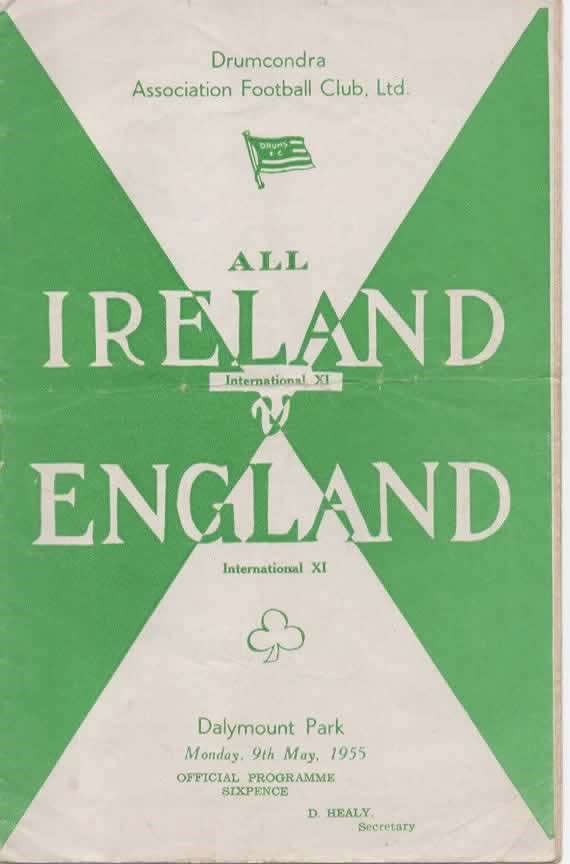
With thanks to Dave Ledwith for sharing the match programme images with me and prompting this article.