Bohemian FC v Esbjerg fB


The Dubliners were always a prolific enough band and in 1976 they released the evocatively titled compilation Drinking and Wenching and the studio album A Parcel of Rogues and toured them widely, even playing the famous Montreaux Jazz festival on a European tour.
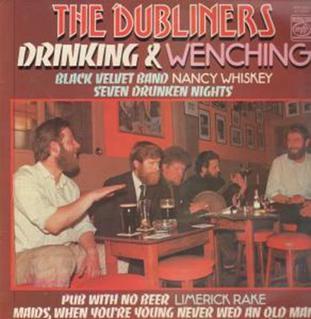
The Dubliners album Drinking and wenching

As part of that 1976 tour they played Fanø, the picturesque island just a short ferry ride from the town of Esbjerg and went down a storm, however it was another group of Irishmen who would making sporting history there just a week after that concert, as Bohemian FC knocked out Esbjerg FC in the Cup Winners Cup to secure that they had won a tie for the first time in Europe.
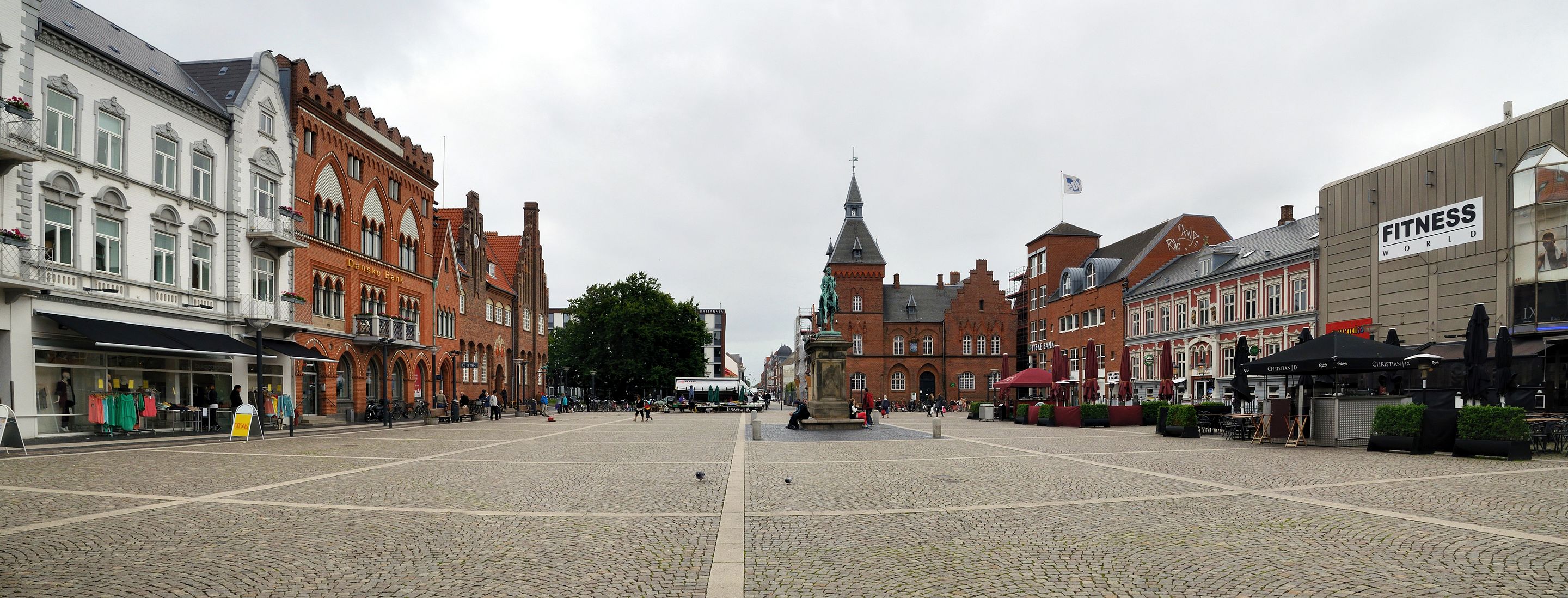
Esbjerg market square -Source wikipedia – Taxiarchos228 – Own work, FAL, https://commons.wikimedia.org/w/index.php?curid=20334358

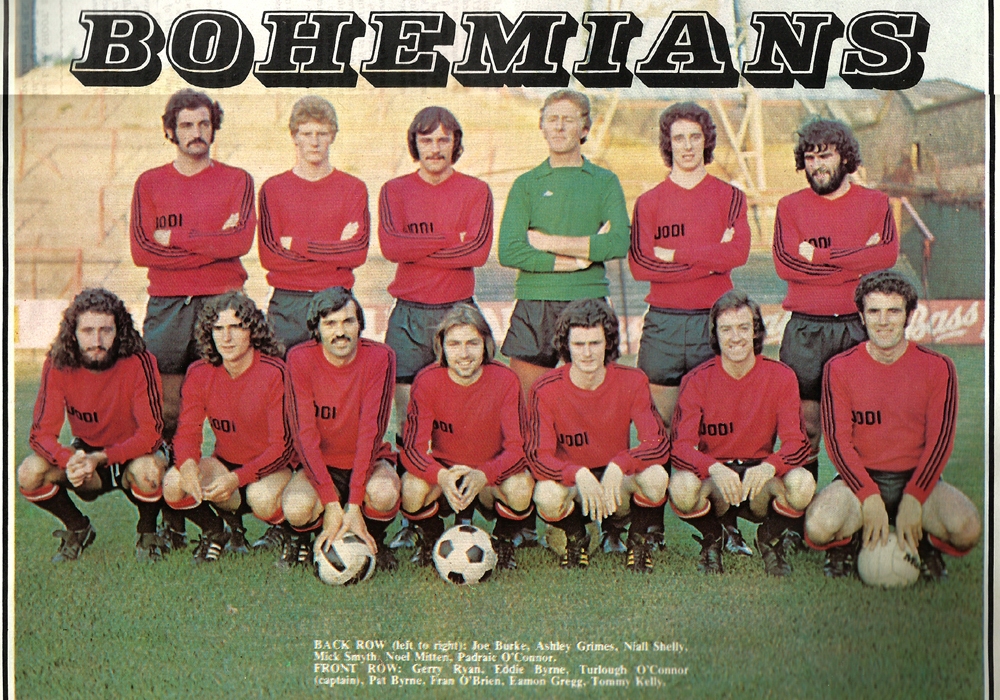
Bohs winning the previous years’ FAI Cup thanks to a screamer from Niall Shelley had secured their fifth ever season of European football and they were drawn against Esbjerg FB, one of the dominant Danish sides of the 1960s who had just won their second domestic cup, they’d also some experience against Irish sides having knocked Linfield out of the European Cup in 1962-63. Danish football was only beginning its transition towards professionalism (this wouldn’t happen until 1978) so all the Esbjerg players were technically amateurs, though they did have players of genuine quality. Young midfielder Jens Jørn Bertelsen made his international debut that year and would go on to represent Denmark at Euro 84 and World Cup 86, while goalkeeper Ole Kjær would go on to win 27 caps for Denmark and was also a squad member Euro 84.
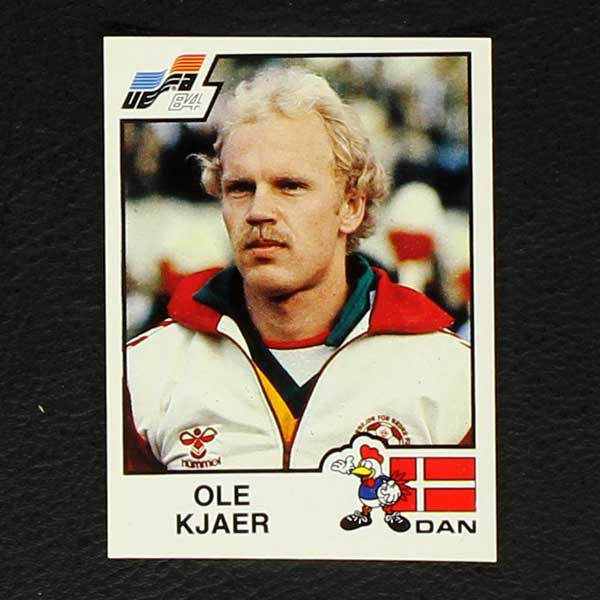
Kjaer at Euro ’84

Bohs were in the unusual position of being the more fancied of the two sides in European competition and to turn stereotypes on their heads it was the Danes who were talked about as being defensive and physical. The first leg in Dalymount saw Esbjerg keep nine men behind the ball most of the time as they tried to hold out for a point in front of a disappointing Dublin crowd of only 2,500.

Bohs won that home leg 2-1, their main attacking threat coming from the wings in the form of Pat Byrne and Gerry Ryan (both future Irish internationals), with Ryan grabbing the opening goal just before half time. In a rare moment of skill from the Danes, Henrick Nielsen levelled on 58 minutes with a spectacular overhead kick, but the Gypsies were to prevail, the Esbjerg keeper Kjær failed to deal with a long-range Niall Shelley shot that rebounded in off a defender to give Bohs the home win. They even had time to bring on another future Irish international, 18-year-old Ashley Grimes as a sub for veteran, Tommy Kelly.

The away goal, however, gave the Danes confidence that they could pull off a result in Esbjerg in front of a home crowd estimated at 8,000. But despite drawing one fine save from ‘keeper Mick Smyth it was Bohs who did the only scoring, Noel Mitten, on as a sub for Turlough O’Connor heading in a cross from Pat Byrne to secure that Bohs progressed in Europe for the first time in their history. A tie with Polish cup winners Śląsk Wrocław awaited. The Dubliners European tour continued…

This piece originally appeared in the Bohemian FC v Fehérvár FC match programme

Bohs in Europe

The following is a condensed version of the talk given in the Jackie Jameson bar on December 7th 2019

After a gap of eight years the 2020 season will see Bohemian FC return to European competition, given the club’s name and its history it could be argued that this is merely a return to its rightful position as for more than a century the Bohemian Football Club has looked beyond the borders of Ireland for challenge and opposition.

Bohemian internationalism really dates back to the development of Dalymount Park as the club’s permanent home. This base allowed them to invite the cream of British talent to Dublin to try their luck against the Bohemians, in those early years Preston North End, Aston Villa, Celtic and Sheffield United were among the early visitors. In 1908 Bohemians played Queens Park in Glasgow on New Year’s Day in an annual fixture which was the world’s most prestigious amateur club match usually contested against English side Corinthians. With them being unavailable to travel Bohemians were asked in their place and contested the game in front of over 20,000 spectators in Hampden Park.

After the split from the IFA the footballing landscape for clubs based in the new Free State was very different, the emerging FAI sought membership to FIFA and clubs like Bohemians also began to look to the Continent. In 1923 the first Continental side to play in Ireland since the split from the IFA arrived to take on Bohemians and an FAI XI, they were Gallia Club of Paris who played out a draw with Bohs.

From further afield came the South African national team, embarking on a tour of Britain and Ireland, the first opponents on this tour were Bohs in Dalymount Park and the unusual situation arose as two South African captains faced off against each other. Because the captain of Bohs for that 1924 season was Billy Otto, born on Robben Island he had left South Africa as a teenager to fight in World War I before ending up working in Dublin as a civil servant. A talented and versatile footballer he captained Bohemians to the League title before moving back to South Africa with his Irish wife in 1927.

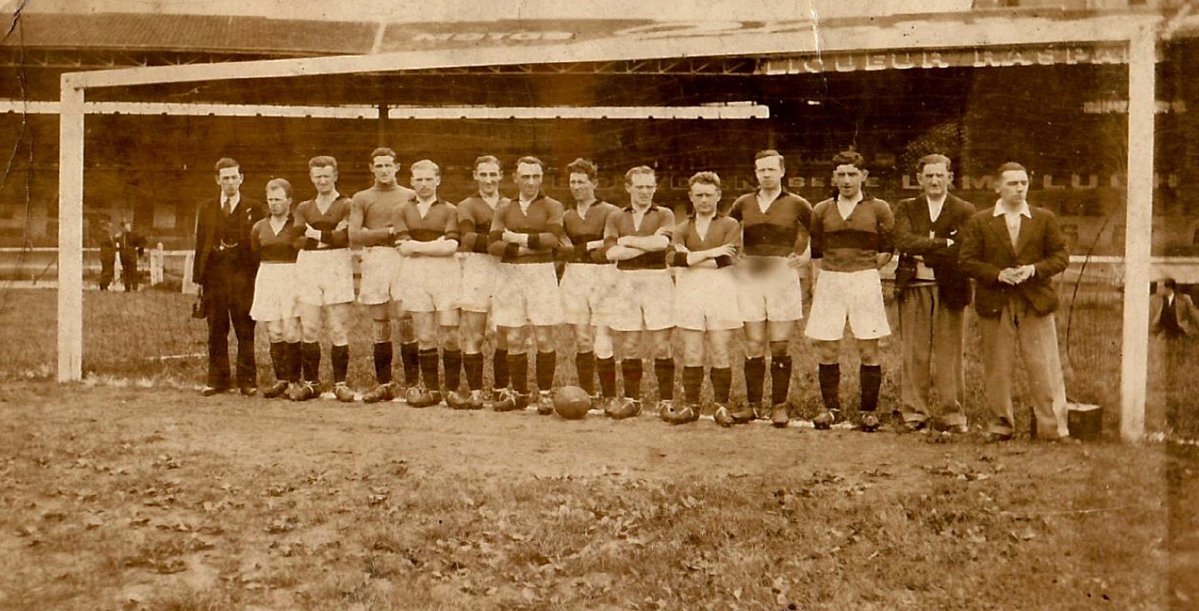
By 1929 Bohemians were embarking on their first European tour themselves, competing in the Aciéries D’Angleur – an annual invitational tournament held around Liege in Belgium. Bohs played four games in all, including friendlies, winning every one and emerging victorious in a tournament which also featured Union Saint Gilloise, Standard Liege and RFC Tilleur. During this visit to Belgium the club also performed diplomatic functions on behalf of the Irish State such as flying the tricolor (at the first game the club had been mistakenly introduced under a Union Jack) and laying a wreath at the tomb of the unknown soldier.

DZOKSKYWkAAFNxP

Further continental success would follow three years later in the 1932 Tournois de Pentecôte held in Paris in the Stade Buffalo ahead of the first full professional season of the French League. Bohemians triumphed again by beating Cercle Athlétique de Paris (aka CA Paris/Gallia who we encountered earlier) and Club Français and winning the tournament and securing a second European trophy in three years. These were no mean achievements as both sides featured a number of French internationals who had competed in the 1930 World Cup and who had scored a stunning victory over England only a year earlier.

A year after the trip to France, Dalymount Park welcomed the first ever South American touring side to visit Britain or Ireland. This was the combined selection from Peru and Chile – the “Combinado del Pacifico” who also visited Scotland, England, the Netherlands, Czechoslovakia, Germany, France, Italy and Spain

There was significant interest and media attention paid to the game, with an official reception by the Lord Mayor of Dublin etc. The success of Uruguay in recent Olympic games (1924 & 28) and at the 1930 World Cup had sparked interest in South American football and despite the talent within the squad, including several future Copa America champions Bohs were able to hold out for a more than credible 1-1 with the touring side.

Bohs didn’t even taste defeat on European soil until April 1st 1934 when they were made to look the fools, losing the opening match of another European tournament against Dutch side Go Ahead in Amsterdam. The tournament also featured Cercle Bruges and Ajax. While the Gypsies bounced back and defeated Cercle Bruges 4-1 and secured a draw against ADO Den Haag there was sadly to be no match against that emerging force of Dutch football, Ajax.

While it would be the 1970-71 before Bohs would enter an official UEFA competition let nobody tell you that we don’t have a long history in Europe.

This piece first appeared in the Bohemian FC v Fehérvár match programme in August 2020.